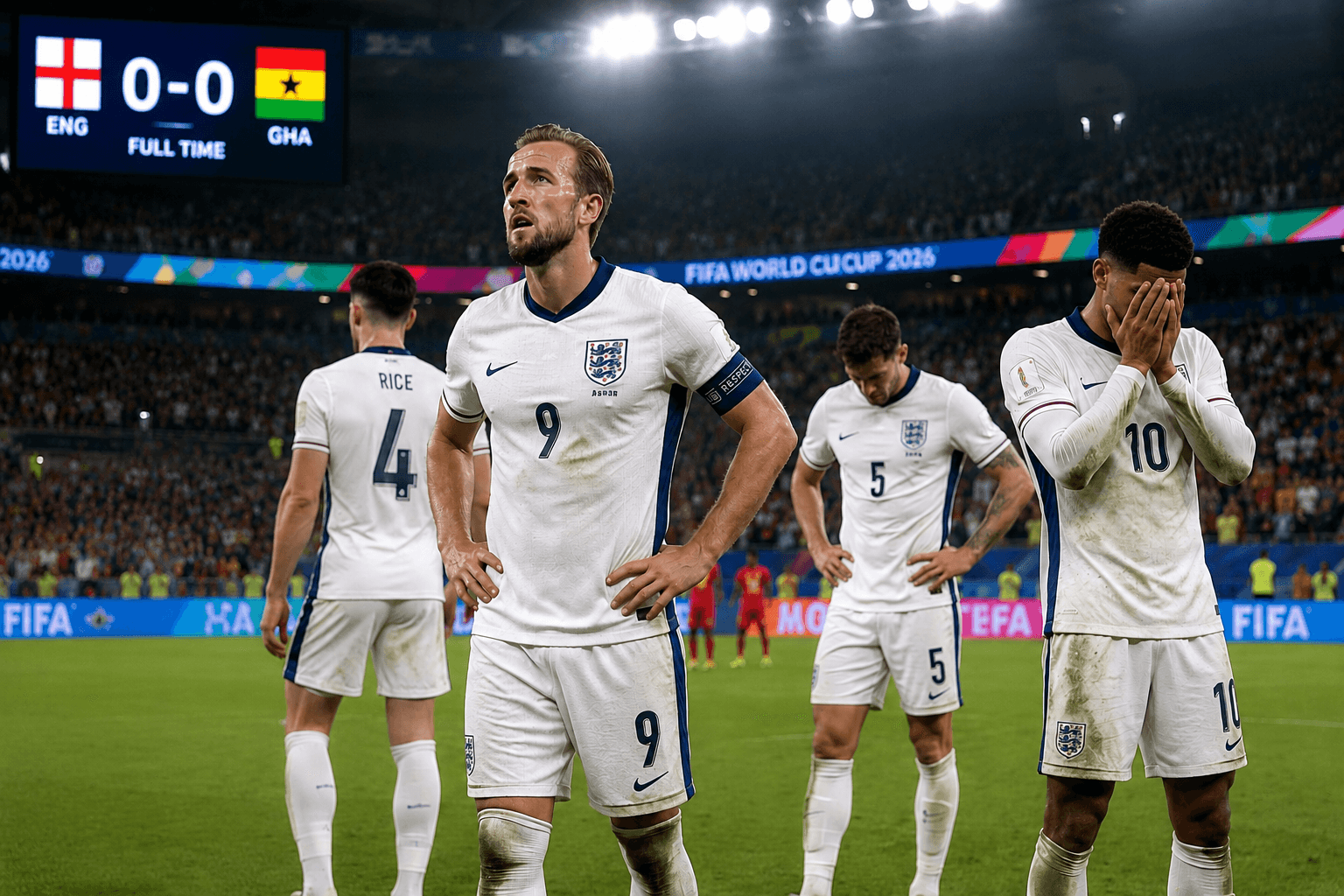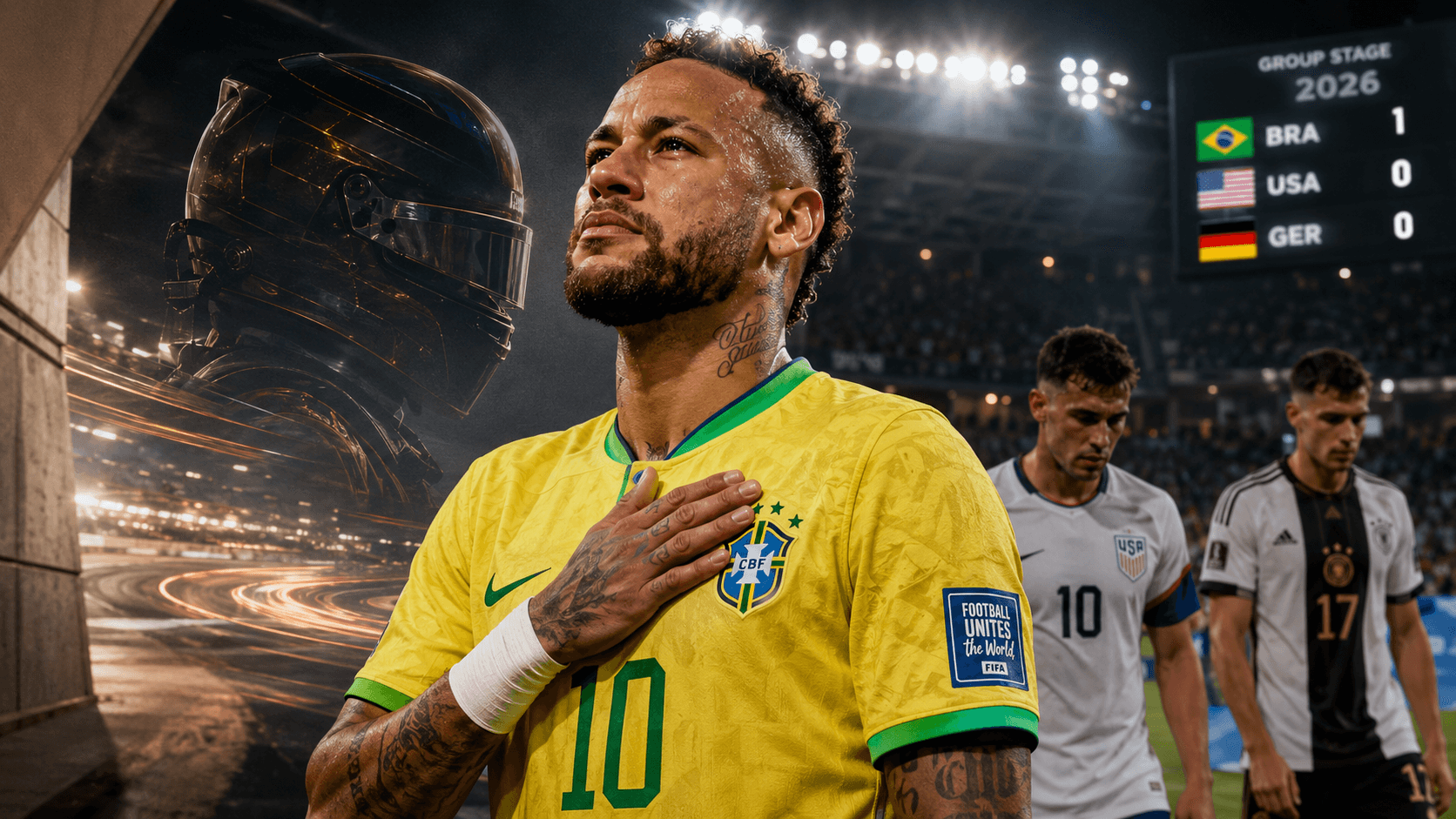
As the World Cup 2026 progresses through its ninth day, discussions extend beyond the immediate match results to historical moments and evolving tournament dynamics. Fifty years after his revolutionary spot-kick, Antonin Panenka reflected on the 1976 European Championship final where his audacious penalty secured victory for Czechoslovakia against West Germany. In a recent interview, Panenka recounted the long-standing tension with opposing goalkeeper Sepp Maier, who reportedly went 35 years without speaking to him. Panenka even recalled reading articles suggesting Maier kept a shooting target with his face on it for darts, though he notes their relationship has since improved.
Meanwhile, the introduction of hydration breaks in the current World Cup has sparked debate among observers. While acknowledging their necessity for player health and safety in hot conditions, particularly from FIFA's perspective, there's a clear concern about their impact on game flow. It has been noted that momentum often shifts immediately following these breaks, suggesting that coaching interventions during these pauses are proving tactically significant. This raises questions about the integrity of the game, with some fearing it could pave the way for football to be structured into four quarters, a development many hope to avoid. The challenge for FIFA lies in maintaining fairness; implementing breaks only in hotter venues could be seen as granting a tactical advantage to certain teams, akin to having VAR in some stadiums but not others. The prevailing sentiment is that such rules should be universally applied or not at all.